
A Just Transition for the Port Townsend Paper Mill
John Talberth • December 4, 2025
An inland facility that uses non-wood feedstocks could be cleaner, greener, and more profitable
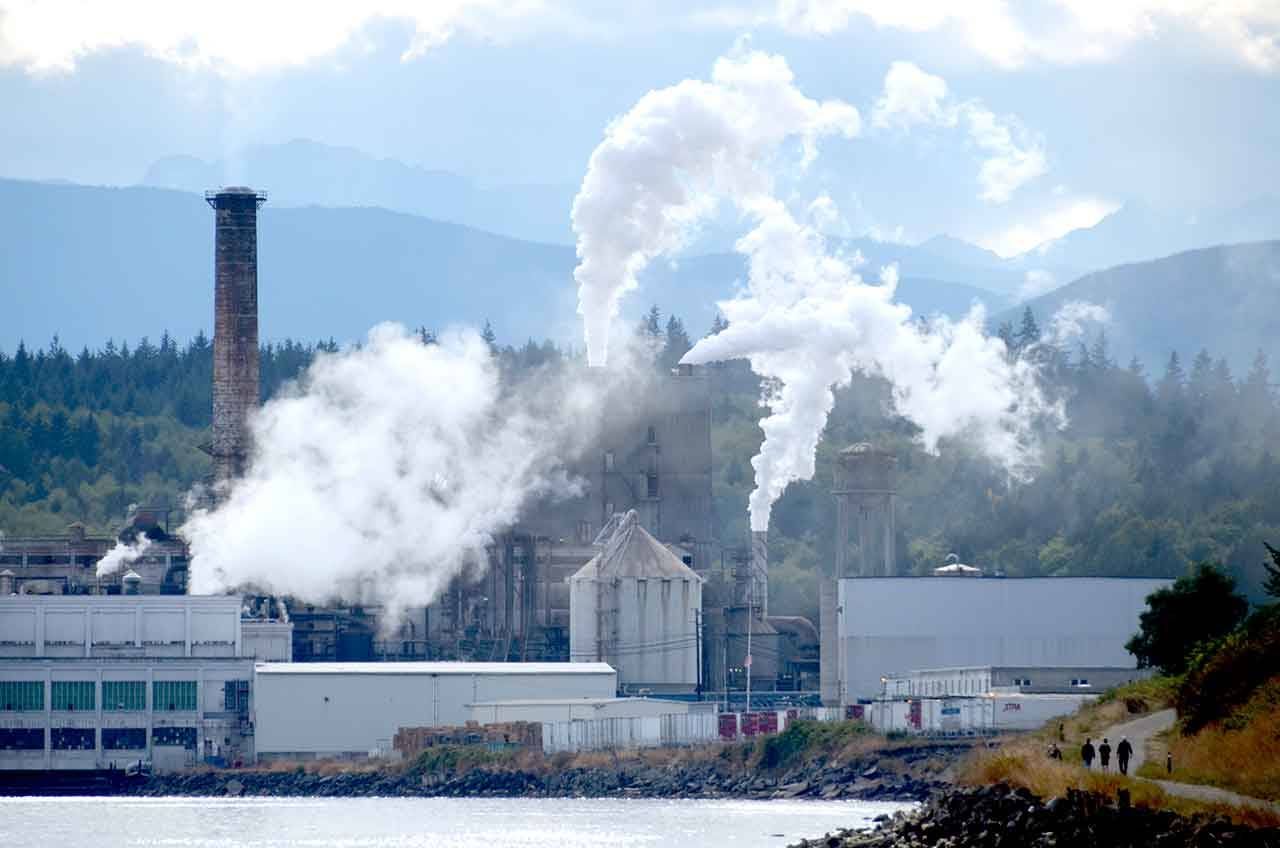
There comes a time in the life of an aging industrial facility where deliberate planning for its closure, cleanup, and replacement must begin. For the Port Townsend Paper Corporation mill, that time is now. Take your pick, the problems are proliferating: foul odors, marine organisms smothered by debris or suffocating from nutrient pollution, foam and algal blooms along the shore, occupational health and safety violations, water and air quality violations, climate pollution and toxins that will be around for a very long time.
You can drill down on any one of these and see how bad the news gets. Take chronic violations of the mill’s national pollution discharge elimination (NPDES) permit. As noted by Scott Doggett in his Port Townsend Leader opinion piece “Mill keeps the public in the dark about spill,” many of the pollutants the mill discharges in its wastewater are neurotoxins and carcinogens and several are among the most toxic and persistent substances on Earth. He notes that there have been 23 permit violations in the past seven years. These join 149 permit violations or triggers and 54 regulatory enforcement actions since 1990. As Doggett notes in a follow up piece in The Leader the paltry fines Washington Department of Ecology assesses for these violations have not been raised since the late 1980s and are having little to no effect incentivizing better behavior.
Or take air quality. Port Townsend residents are all too familiar with the odors caused by emissions from the settling ponds, leaky pipes, and the smokestacks. Measured contaminants include reduced sulfur compounds, particulate matter, sulfur dioxide, nitrogen oxides and aldehydes. The sulfur compounds cause the smell. According to the Environmental Integrity Project, the mill has been in violation of the Clean Air Act for 12 of the last 12 quarters. In 2024, the US Department of Health and Human Services warned that breathing a cocktail of sulfur compounds in air near the mill can cause acute respiratory distress.
And the mill is by far the largest source of climate pollution in Jefferson County. The 2023 facility inventory from the EPA put the mill’s carbon dioxide emissions from burning wood chips and using fossil fuels at 554,000 metric tons CO2 per year. That’s over two and a half times the entire emissions from the rest of Jefferson County’s economy (207,582 metric tons).
Given all this, a clean replacement facility that keeps all jobs intact and is financially attractive to investors is sorely needed. Otherwise, we end up like Port Angeles, with 200 sudden layoffs and a decades-long toxic cleanup legacy. Here’s one option to consider: a state-of-the-art pulp and paper facility located away from the shore that consumes far less water, energy and chemicals and has a much lower carbon footprint because it uses wheat straw, grass, hemp, kenaf, bamboo or agricultural wastes from Washington farmers as feedstock rather than wood (virgin wood chips or recycled paper and cardboard). It would also generate far less odors since non-kraft pulping processes can be used with these feedstocks. Non-kraft processes include any pulping process used to separate cellulose fibers from raw materials (like wood or non-wood biomass) that does not use sulfates. The resource efficiency gains – i.e. less environmental impact per ton of product – stems from lower levels of lignin, which makes these feedstocks easier to process. And well-paying union jobs would be involved with dismantling the existing mill and building and operating the new one.
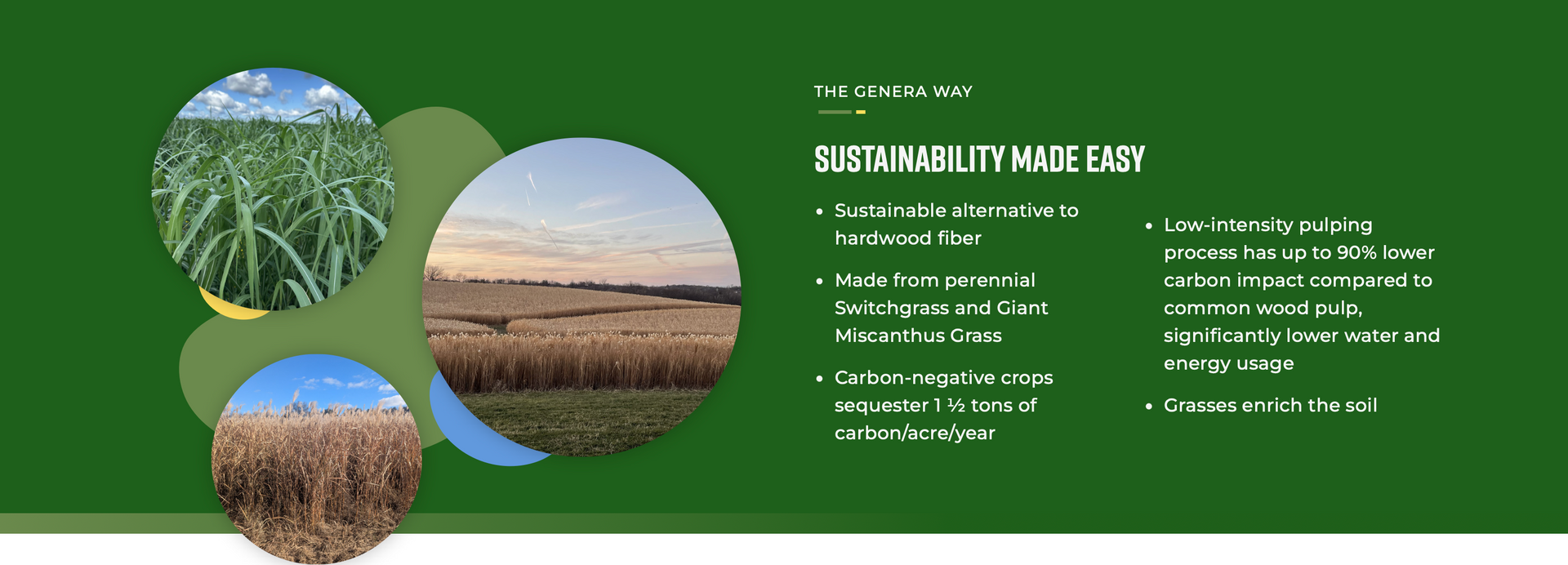
While most non-wood pulp and paper facilities are in China and India the US is beginning to catch up as the demand for clean and green products soars. Companies like Genera (Tennessee) and Cotrell Paper (Massachusetts) are using grass, wheat straw and hemp as feedstock and are using far less water, energy, and chemicals than their wood-based competitors. Here in Washington, Columbia Pulp was the first large scale experiment – one that was designed to use wheat straw feedstock from eastern Washington farmers, but it opened its plant just as COVID hit and had to shut down operations in 2019.
There are several things public officials can do to accelerate a just transition. The legislature can undo decades of preferential treatment for wood products and give non-wood alternatives a level playing field. A bill snuck through the legislature in 2020 says that clearcutting and industrial wood products are "climate solutions" – a claim long ago debunked– but what if non-wood alternatives received this designation legitimately and were rewarded with the same portfolio of tax breaks, subsidies, and public investments now going to Big Timber? The legislature can also rescind the exemption of pulp and paper facilities from the state's signature climate law - the Climate Commitment Act. Despite their high emissions, pulp and paper facilities have been deemed "emissions intensive and trade exposed (EITE)," relieving them from any requirements to reduce climate pollution over time. Given the Trump Administration's unprecedented support for protectionist measures - like steep tariffs on many pulp and paper imports - the EITE exemption is no longer needed.
Also, Washington Department of Ecology should notify the current owner – Atlas Holdings, LLC – that the current water and air quality permits are their last ones. These permits are not worth the paper they’re written on if violations and enforcement actions are chronic and doing nothing to protect or improve the air we breathe or the waters we use for fishing, boating, and swimming.
At the City level, our councilors should impose a bonding requirement that will ensure that Atlas bears full financial responsibility for cleaning up the site once it’s closed. With $18 billion in annual revenues, Atlas can afford this. Center for Sustainable Economy worked with King County to get a similar risk bonding ordinance in place for fossil fuel facilities that can easily be replicated here.
Our councilors and county commissioners could also play a major role by rolling up their sleeves and working with state economic development officials and the union to begin the process of recruiting new capital – if Atlas takes a pass – with some public support since the transition serves a public purpose. Similar facilities have been jumpstarted by solid waste bonds, new markets tax credits, and IRA’s section 45X for advanced manufacturing. The market outlook for non-wood facilities is promising. According to Global Growth Insights, the compound annual growth rate for non-wood pulp is forecast to be 6.4% through 2034 but only 0.81% for wood pulp.
So far, elected officials have been silent on the largest polluter in Jefferson County. Remarkably, neither the City of Port Townsend nor County staff or elected officials commented on reissuance of the latest NPDES permit. Nor was the mill even mentioned in the 14 candidate statements published in the pre-election edition of The Leader. There’s a long way to go, but it’s time to start.